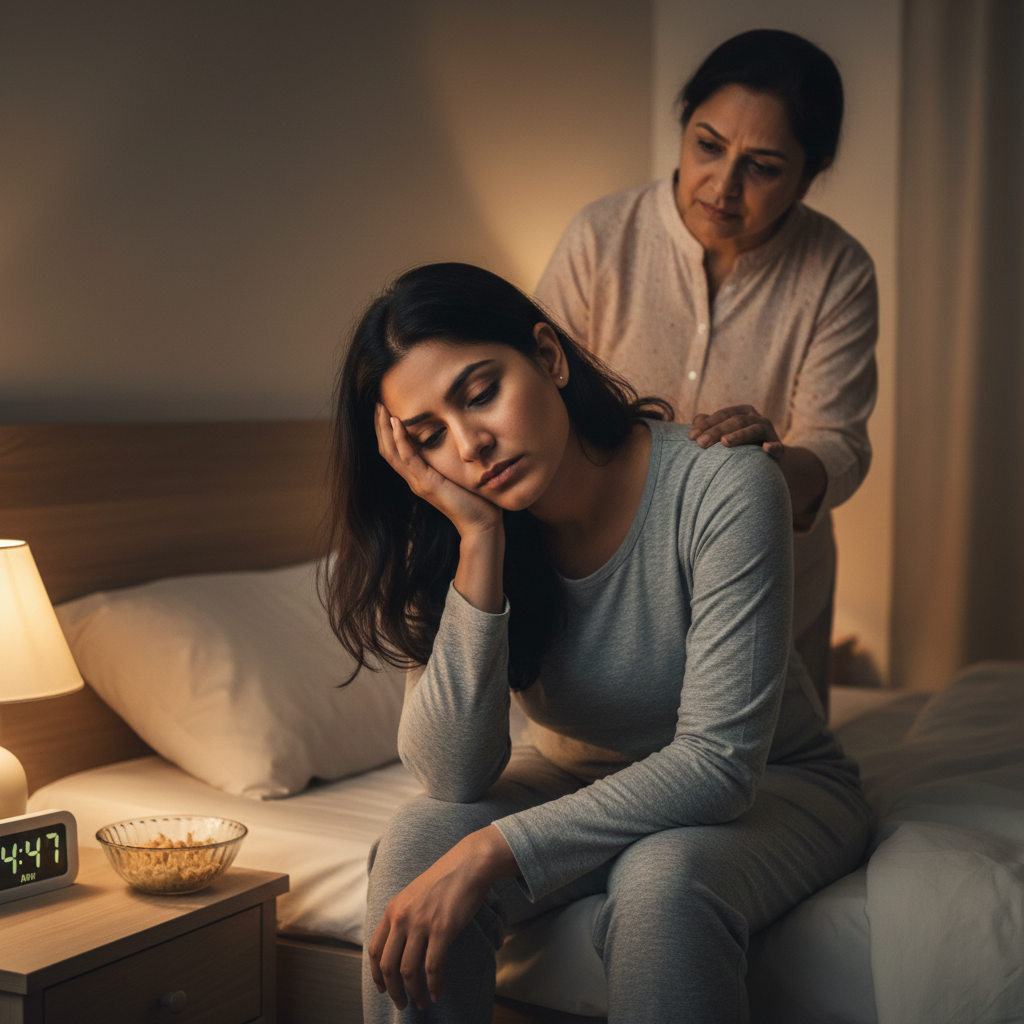

Your Complete Guide to Common Sleep Conditions
Your Complete Guide to Common Sleep Conditions
At Nithra Sleep and Health Care, we believe that awareness is the first step toward better sleep and better health. Our A–Z of Sleep Disorders section provides reliable, easy-to-understand information about common sleep-related conditions that affect physical, mental, and emotional well-being.
This guide helps patients recognize symptoms early and seek timely medical care from qualified sleep specialists.
Common Sleep Disorders We Treat
Obstructive Sleep Apnea (OSA)
A serious condition where breathing repeatedly stops and starts during sleep due to airway blockage. Symptoms include loud snoring, daytime sleepiness, and poor concentration. Untreated OSA increases the risk of heart disease, stroke, and diabetes.
Insomnia
Characterized by difficulty falling asleep, staying asleep, or waking too early. Insomnia can affect energy, mood, and productivity and may be linked to stress, medical conditions, or lifestyle habits.
Restless Legs Syndrome (RLS)
A neurological disorder causing uncomfortable sensations in the legs and an uncontrollable urge to move them, especially at night. RLS often disrupts sleep and may be associated with periodic limb movements.
Narcolepsy
A chronic neurological disorder affecting the brain’s ability to regulate sleep-wake cycles. It causes sudden sleep attacks, excessive daytime sleepiness, and sometimes muscle weakness (cataplexy).
Sleep Terrors (Night Terrors)
Sudden episodes of fear, screaming, and confusion during deep sleep. These episodes are more common in children and are different from nightmares.
Parasomnias
Unusual physical behaviors during sleep, including sleepwalking, talking, bedwetting, and night terrors. These episodes are often harmless but may require treatment if frequent.
Somnambulism (Sleepwalking)
A condition where individuals perform activities such as walking or sitting up while asleep. It may increase the risk of injury and needs medical attention if persistent.
Confusional Arousal
A state where a person appears awake but is confused, disoriented, and unresponsive. It usually occurs during deep sleep and is common in children.
Hypnic Jerks
Sudden muscle movements or sensations of falling that occur just before sleep. They are usually harmless and common in healthy individuals.
Hypnagogic & Hypnopompic Hallucinations
Vivid visual, auditory, or sensory experiences that occur while falling asleep or waking up. These may be associated with narcolepsy or sleep deprivation.
Sleep Paralysis
A temporary inability to move or speak while falling asleep or waking up. It may be accompanied by hallucinations and can be frightening but is usually not dangerous.
REM Behaviour Disorder (RBD)
A disorder where individuals act out their dreams during REM sleep due to lack of normal muscle paralysis. This can result in injuries and requires medical treatment.
Grinding of Teeth (Bruxism)
Involuntary grinding or clenching of teeth during sleep. It may lead to jaw pain, tooth damage, and headaches and often requires dental or sleep therapy.
Nocturnal Seizures
Seizures that occur during sleep, often related to epilepsy or neurological conditions. Proper diagnosis through sleep studies and neurological evaluation is essential.
Why Understanding Sleep Disorders Matters
Sleep disorders often go undiagnosed and untreated, leading to long-term health problems such as fatigue, poor concentration, heart disease, diabetes, anxiety, and reduced quality of life.
Early diagnosis and proper treatment can:
- Improve sleep quality
- Enhance daytime performance
- Prevent long-term complications
- Support mental and physical health


Why Understanding Sleep Disorders Matters
At Nithra, we use advanced diagnostic tools and personalized treatment plans, including:
- Comprehensive sleep consultations
- Overnight sleep studies (Polysomnography)
- Home sleep testing
- PAP therapy
- Behavioral therapy
- Lifestyle and diet counseling
- Medication management
- Long-term follow-up care
Our multidisciplinary team ensures accurate diagnosis and effective treatment for lasting results.
When Should You See a Sleep Specialist?
You should consult a specialist if you experience:
- Persistent snoring
- Excessive daytime sleepiness
- Difficulty sleeping regularly
- Frequent awakenings
- Unusual movements during sleep
- Morning headaches
- Poor concentration
- Mood changes
Early treatment can prevent serious health complications.