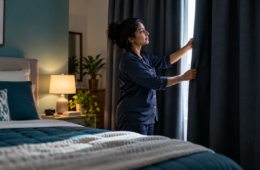

Lifestyle Medicine for Better Sleep: How Daily Habits Affect Night-Time Rest
Sleep is influenced by more than the time a person goes to bed. Food choices, physical activity, stress, light exposure, work schedules, caffeine and weight can all affect the body’s ability to sleep well.
Lifestyle medicine for better sleep focuses on understanding these interconnected habits and creating realistic, sustainable changes. Lifestyle support may complement medical treatment, behavioural therapy or PAP therapy when a diagnosed sleep disorder is present.
Why Is Sleep Part of Lifestyle Medicine?
Lifestyle medicine examines how daily behaviours influence long-term health. Important areas commonly include:
- Sleep
- Nutrition
- Physical activity
- Stress management
- Healthy relationships and social connection
- Avoidance of harmful substances
These areas frequently influence one another. Poor sleep may reduce motivation to exercise or make healthy eating more difficult. Stress may lead to irregular sleep, while late-night eating or caffeine may make it harder to fall asleep.
Maintain a Consistent Sleep Schedule
The body follows an internal circadian rhythm that helps regulate sleep and alertness. Going to bed and waking at widely different times can make sleep less predictable.
Helpful practices include:
- Wake at approximately the same time each day
- Avoid repeatedly delaying sleep on weekends
- Make gradual schedule changes rather than sudden shifts
- Use morning light to support daytime alertness
- Reduce bright light late in the evening
People working rotating or night shifts may require personalised guidance because a standard daytime schedule may not be practical.
How Does Food Affect Sleep?
Meal timing and food choices can influence comfort and alertness.
Large Late-Night Meals
Heavy meals shortly before bed may contribute to discomfort or reflux in some people. Allowing time between a large meal and bedtime may be helpful.
Caffeine
Caffeine can remain active for several hours. Coffee, tea, cola, energy drinks and some medicines may interfere with sleep when consumed later in the day.
Alcohol
Alcohol may initially make a person feel sleepy but can fragment sleep later in the night. It may also worsen snoring and sleep-related breathing problems.
Balanced Nutrition
A balanced eating plan supports weight, metabolic health and general wellbeing. Patients with obesity, diabetes or digestive concerns may benefit from coordinated support from a dietitian and medical specialist.
Weight and Sleep Apnea
Excess weight can increase the likelihood or severity of obstructive sleep apnea in some individuals. Weight-management support may therefore form part of a comprehensive treatment plan.
However, sleep apnea can also occur in people who are not overweight. Snoring, breathing pauses, choking and daytime sleepiness should be evaluated regardless of body size.
Patients already prescribed PAP therapy should continue using it unless their sleep specialist advises otherwise. Lifestyle improvement does not provide immediate protection from breathing interruptions.
Physical Activity and Sleep
Regular activity can support overall health, mood and sleep. The most appropriate type and intensity depend on age, fitness and medical condition.
Practical options may include:
- Walking
- Strength exercises
- Mobility and flexibility work
- Cycling
- Swimming
- Structured exercise under professional guidance
Very intense activity immediately before bedtime may make some people feel more alert. Exercise timing can be adjusted according to individual response.
Manage Stress Before Bedtime
Stress can keep the mind alert even when the body is tired. A predictable wind-down routine may help signal that the active part of the day is ending.
Possible relaxation practices include:
- Slow breathing
- Gentle stretching
- Reading a calming book
- Writing down unfinished tasks
- Mindfulness or meditation
- Listening to relaxing audio
Persistent anxiety, low mood or emotional distress may require professional mental-health support rather than sleep-hygiene advice alone.
Reduce Evening Screen Exposure
Mobile phones, televisions and laptops can delay bedtime and maintain mental stimulation. Notifications, work messages and social media may also increase emotional alertness.
Consider:
- Creating a fixed time to stop work-related communication
- Charging the phone outside the bedroom
- Turning off unnecessary notifications
- Using a non-screen activity during the wind-down period
Create a Sleep-Friendly Bedroom
The bedroom should ideally be comfortable and associated with rest.
- Keep the room dark
- Reduce disruptive noise
- Use a comfortable temperature
- Choose supportive bedding
- Limit work activities in bed
- Keep clocks and notifications from becoming a source of anxiety
Why Sleep Hygiene May Not Be Enough
Healthy habits are valuable, but they cannot treat every sleep disorder. Someone with obstructive sleep apnea may continue experiencing breathing interruptions despite following a good bedtime routine.
Professional evaluation is recommended for:
- Persistent insomnia
- Loud snoring
- Observed breathing pauses
- Gasping or choking during sleep
- Severe daytime sleepiness
- Unusual movements or behaviours during sleep
- Sleep problems affecting work, mood or safety
How a Personalised Lifestyle Plan Is Created
A healthcare professional may review:
- Current sleep schedule
- Work and family responsibilities
- Food habits and meal timings
- Physical activity
- Stress and emotional wellbeing
- Weight and metabolic health
- Caffeine, alcohol and tobacco use
- Medical conditions and medicines
The goal is to create manageable changes that can be followed over time rather than an unrealistic list of restrictions.
Integrated Sleep and Lifestyle Care at Nithra
Nithra Sleep & Health Care combines sleep medicine, lifestyle guidance, diet support and multispeciality care. Patients can receive personalised recommendations based on their sleep concerns, health conditions and daily routine.
Clinic: Koyambedu, Chennai
Phone: +91 90949 99955
Explore Value-Added Services
|
Sleep Medicine Consultation
|
Book an Appointment
Frequently Asked Questions
Can changing my lifestyle cure insomnia?
Healthy habits can improve sleep, particularly when an irregular routine contributes to the problem. Chronic insomnia may require structured behavioural treatment and medical evaluation.
Can weight loss cure sleep apnea?
Weight reduction may improve sleep apnea in some patients, but it does not guarantee that the condition has resolved. Repeat testing may be needed before changing treatment.
How late should I drink coffee?
Caffeine sensitivity varies. People with difficulty sleeping may benefit from avoiding caffeine during the afternoon and evening.
Is exercise at night bad for sleep?
Not necessarily. Some people sleep well after evening activity, while intense late exercise makes others feel alert. Choose a time that suits your body and medical needs.
When should I see a sleep specialist?
Seek an evaluation when poor sleep continues, affects daytime functioning or occurs with snoring, breathing pauses, choking or dangerous sleepiness.
Medical disclaimer: Lifestyle recommendations should be personalised when you have diabetes, heart disease, respiratory illness, pregnancy, mobility limitations or another medical condition.